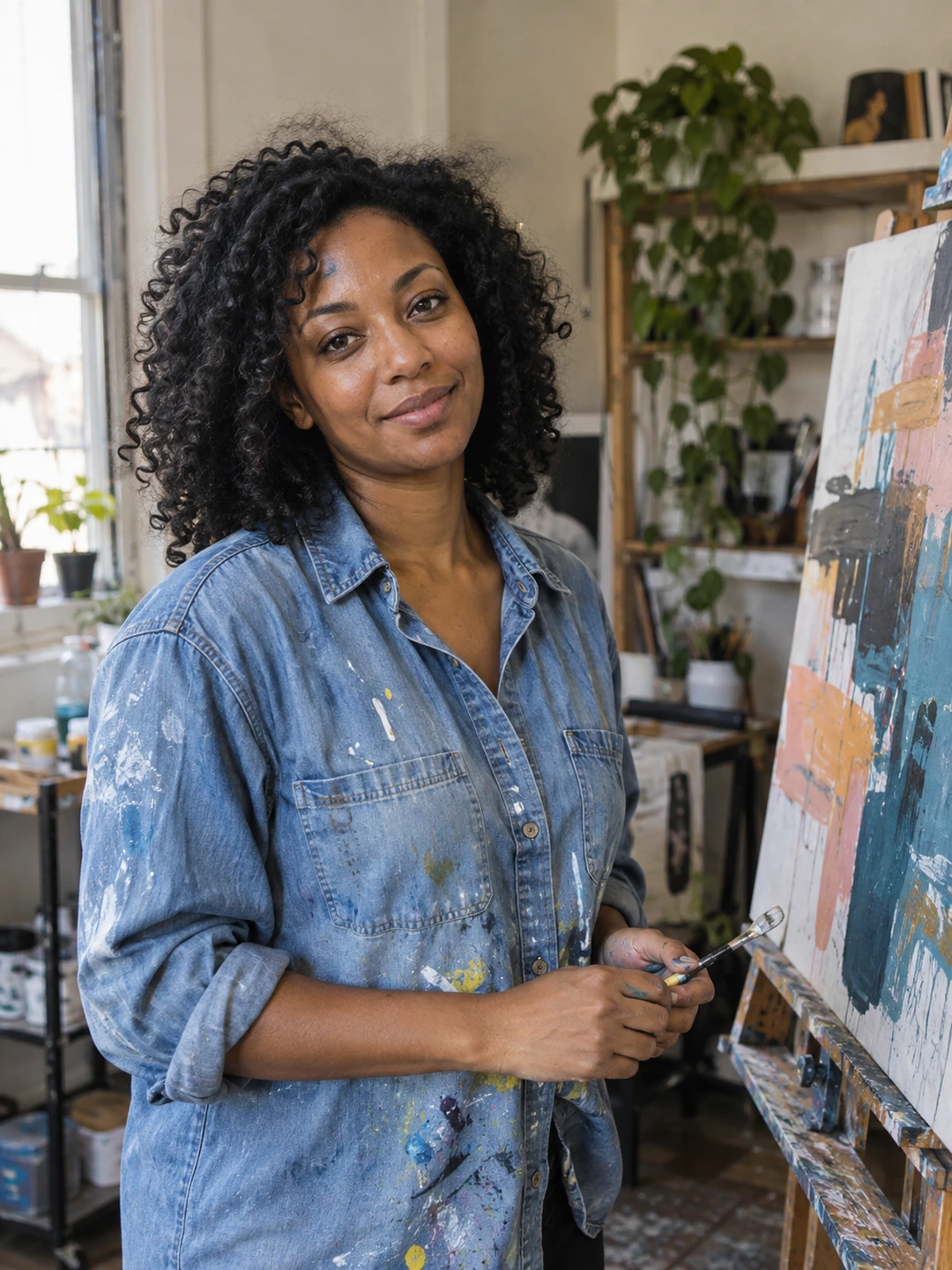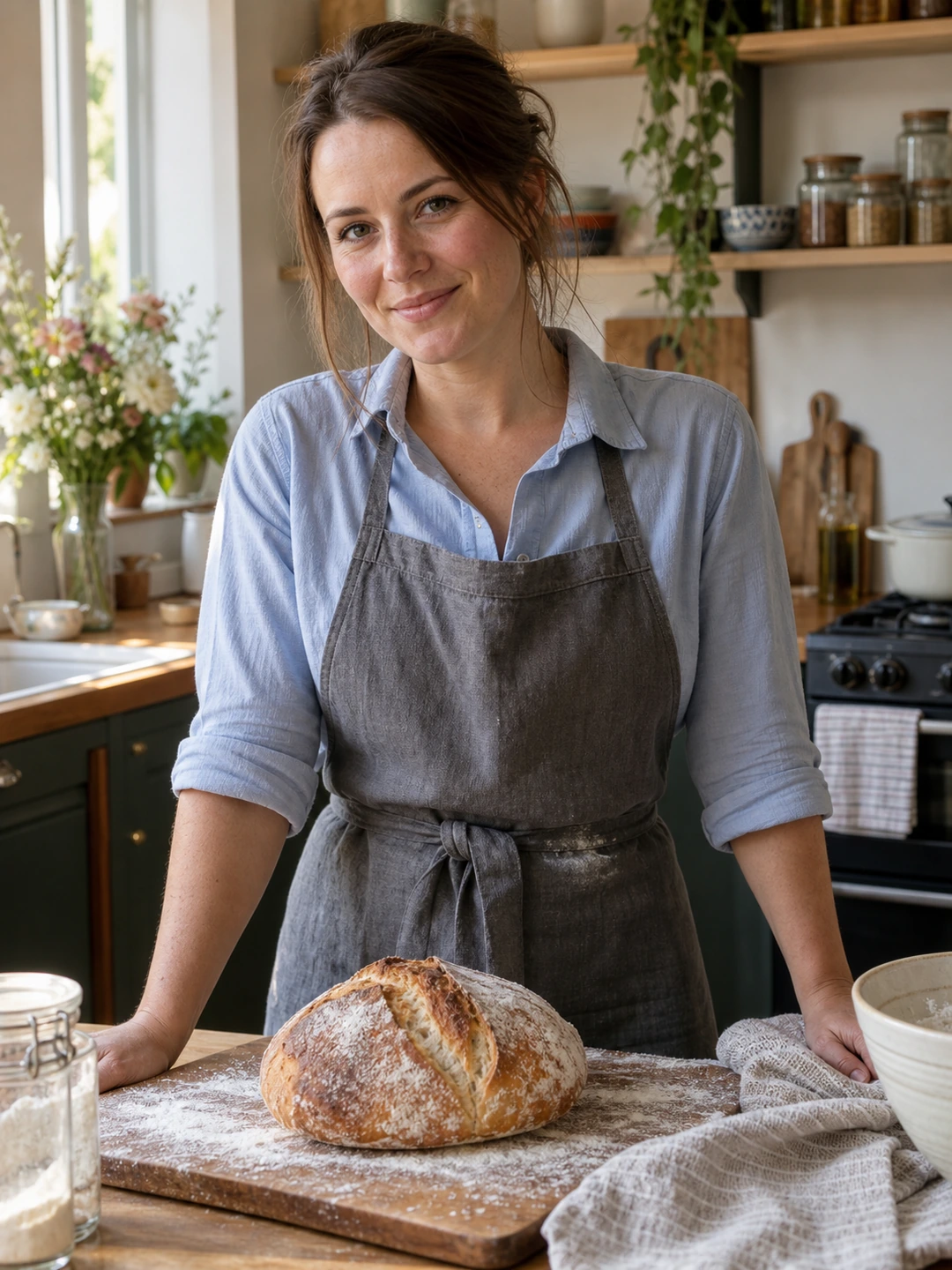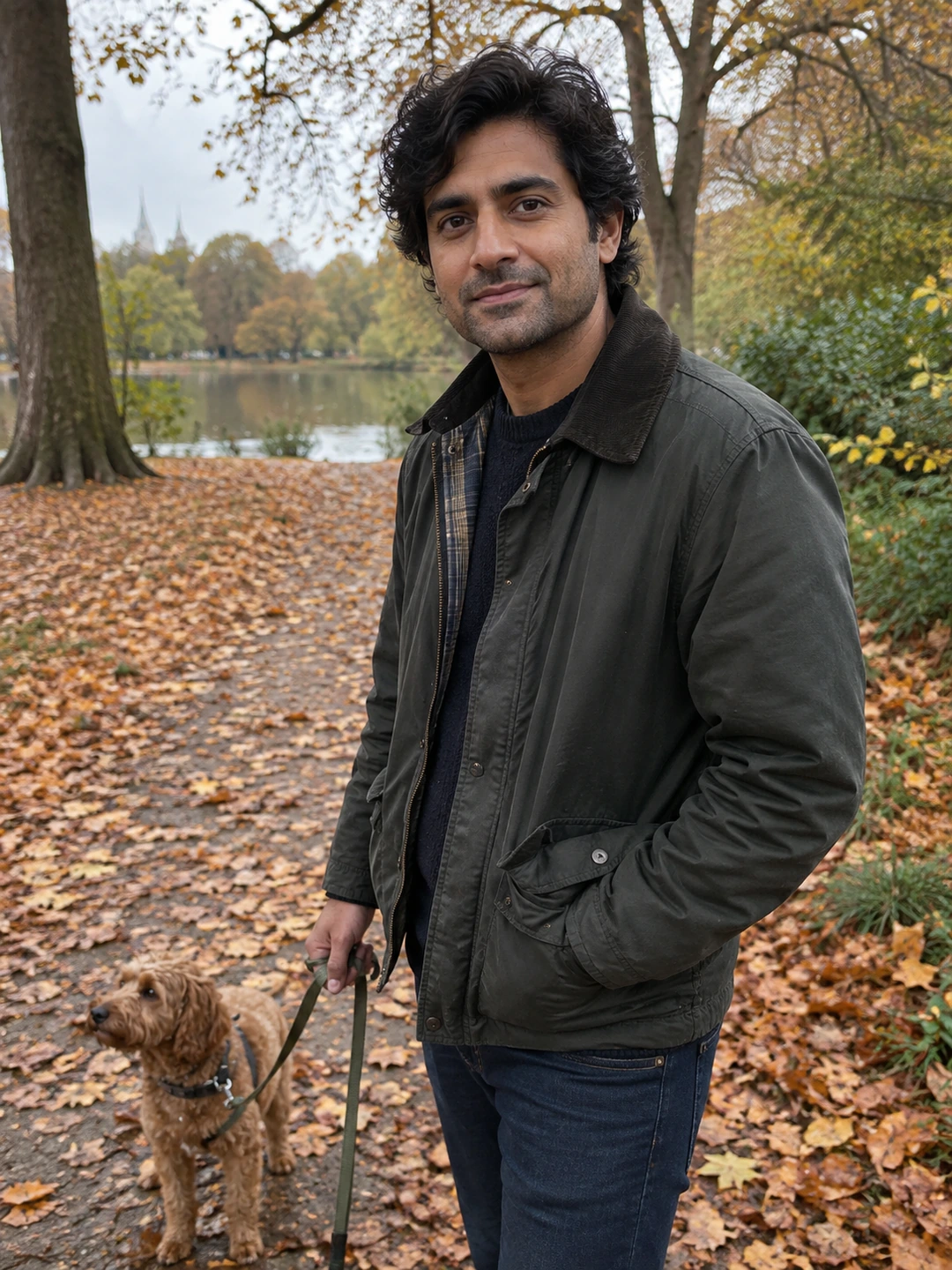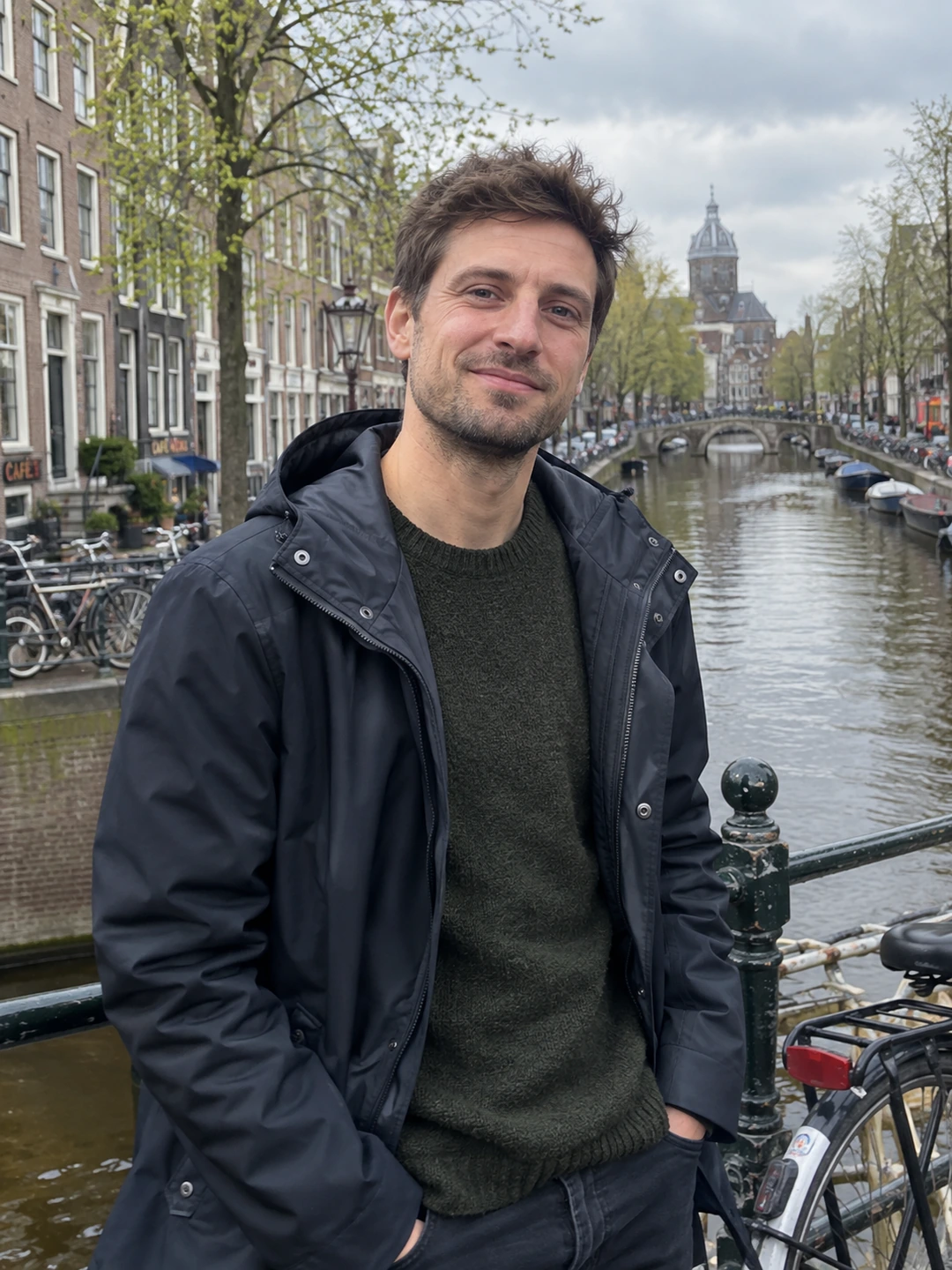
A shot list describes what each new photo needs to show. It is not a catalogue of poses to copy. Before a friend starts taking pictures, decide which parts of your existing profile are missing. You may need only a current portrait and one everyday scene. A short plan helps you finish with useful options instead of fifty near-identical images from the same angle.
Give each shot an acceptance check
- The introduction. A solo portrait where your face is easy to recognise. Accept it when your expression is clear at phone size, without needing a caption to identify you.
- The wider view. A comfortable full-body or three-quarter picture. Accept it when the framing feels natural and represents your current proportions without stretching or heavy reshaping.
- The ordinary moment. Something you actually do: walking, cooking or spending time with your own pet. Accept it when both you and the activity are understandable.
- The optional contrast. A different setting or level of formality, only if the profile needs it. Accept it when it adds information rather than another costume change.
Turn the list into a manageable session
Write four columns in a note: purpose, place, what to bring and how you will judge the result. For an everyday café picture, the place might be a café you already use, the equipment your phone and the acceptance check a visible face with no cup blocking it. You are planning the conditions for a usable photograph, not promising that every frame will work. Choose places close enough that travel does not consume the session.
- 1Start with the essential shot. Take the current portrait while you and your helper have energy. Review a few frames immediately so you can fix a basic issue before moving on.
- 2Use one nearby setting for context. A short walk or a familiar indoor activity can provide the second scene. Check whether photographs are permitted and avoid including people who have not agreed.
- 3Leave room for a retake. If the first attempt is too dark or your face is hidden, simplify. A plain, clear picture is more useful than an elaborate setup you cannot finish.
- 4Choose the next step before you stop. Either you have the required picture or you know exactly what remains missing. Do not add more locations just because there is still storage on the phone.
Use a brief your friend can follow
Try this: ‘I need one clear portrait and one wider picture for my profile. Could we take a few near the park entrance, check them, then stop for coffee?’ Add any preferences that matter, such as being photographed seated or avoiding a particular angle. You do not need to justify those preferences. Agree who keeps the images and ask your friend not to share outtakes. A clear, bounded request makes helping easier than an open-ended demand to make you look good.
Another source of portrait options
PhotoDating.ai creates new portraits from your own selfies. Review the likeness carefully and keep real photographs for hobbies and outings. A generated scene should not stand in for an experience you did not have.
After the session, compare candidates against the original brief rather than choosing by novelty. Use the photo audit worksheet to identify any remaining gap, and the dating profile photos guide to arrange the finished set. For a relaxed activity sequence, follow the candid photo plan.