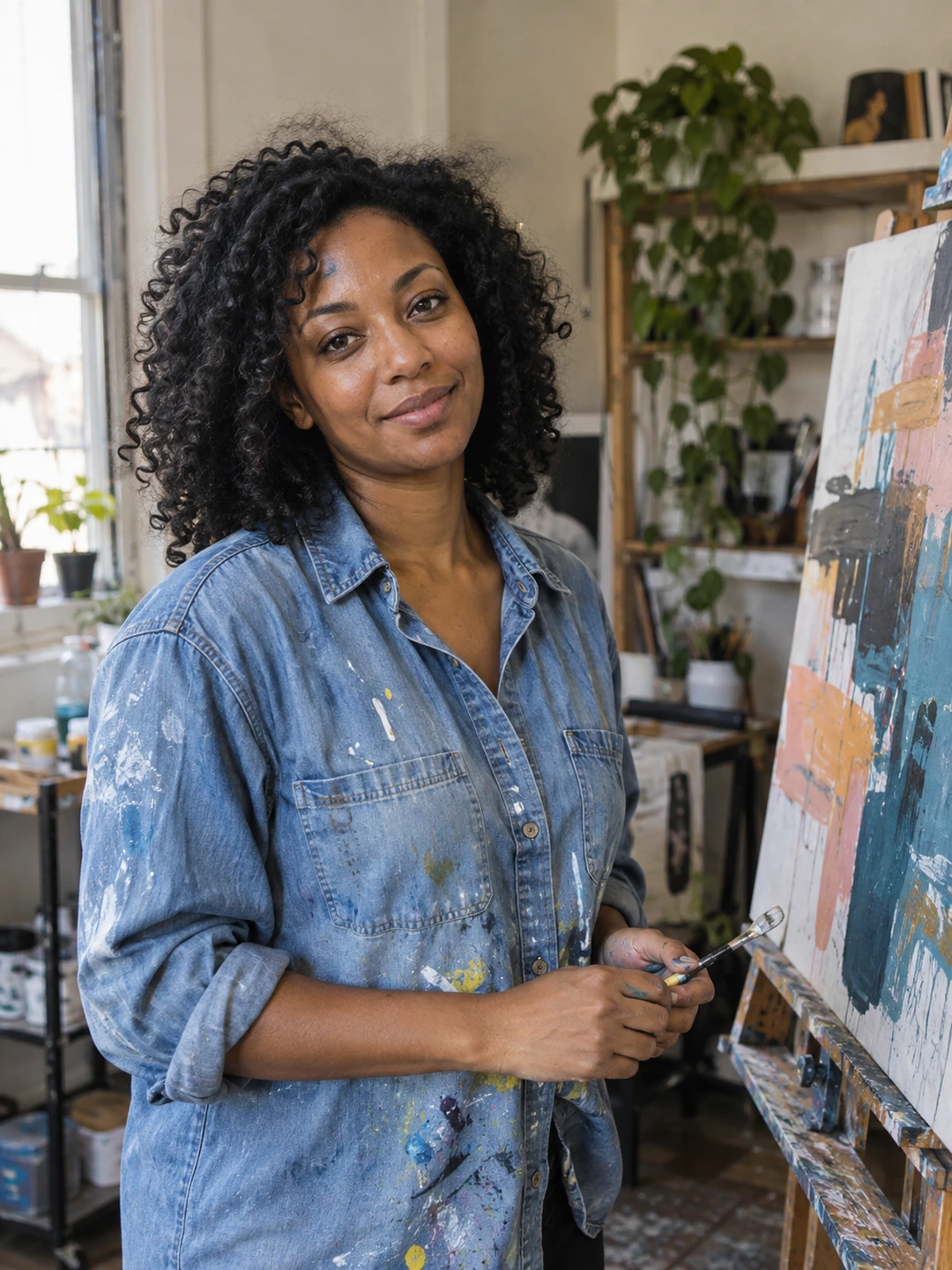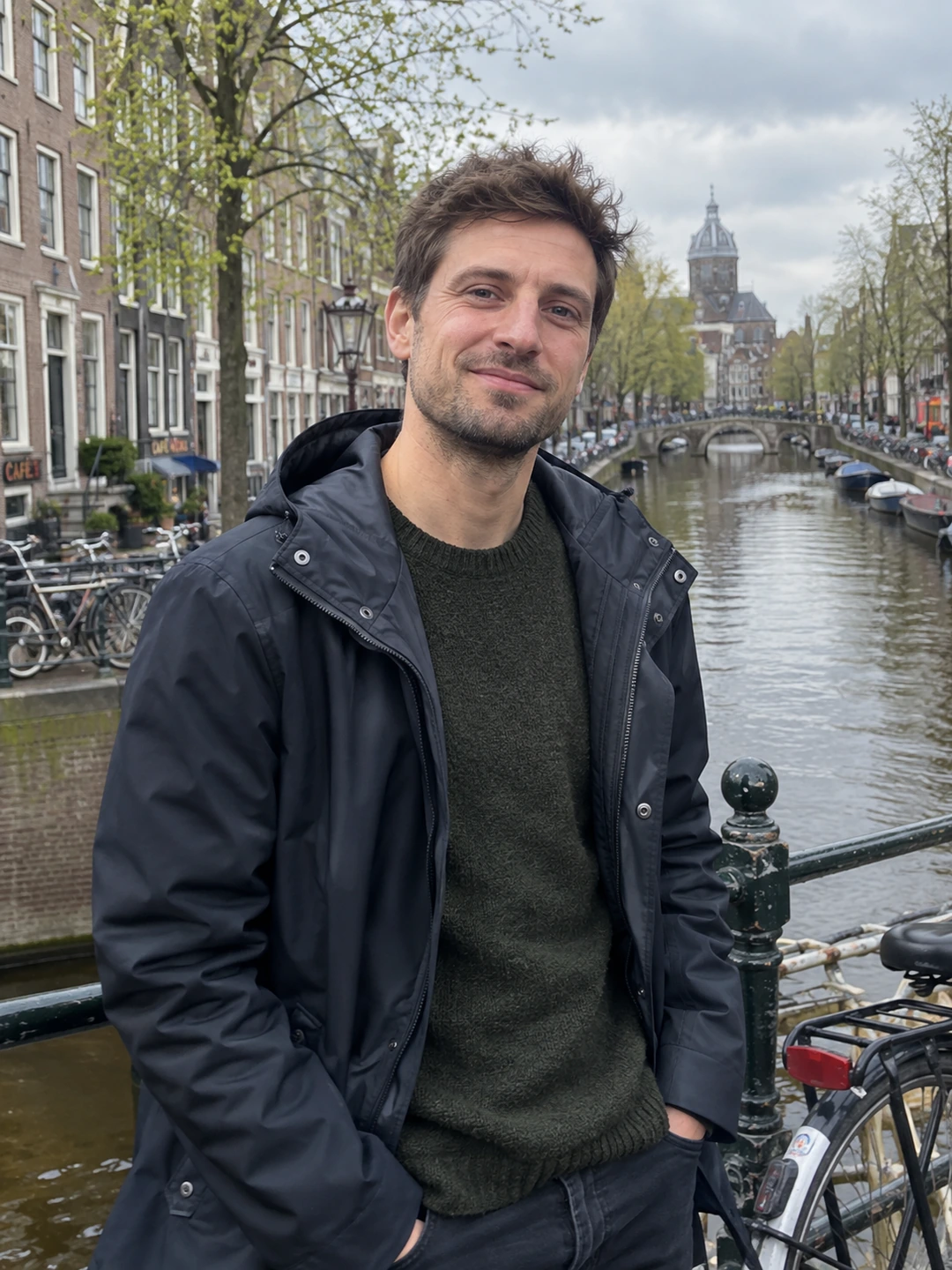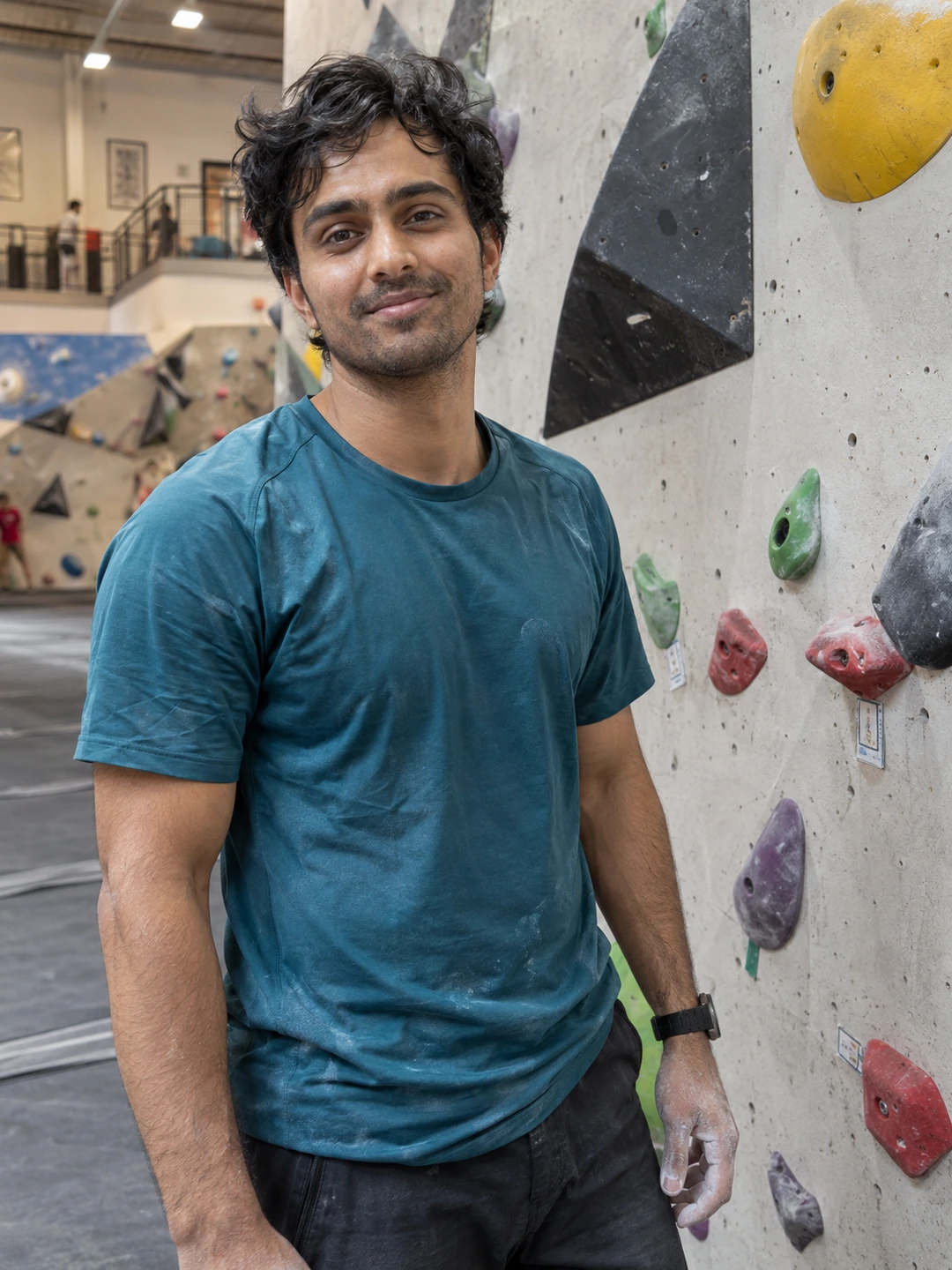
A café picture works when the person is clearer than the coffee. Use a place you actually enjoy, keep the setup small and take a few frames during a normal visit. The result should introduce your expression and an everyday setting, rather than look like an advert for a drink or imply a date with somebody cropped out.
Choose the seat before arranging the cup
Look for a seat where your face is visible and the background is manageable. A window beside or in front of you can be a useful starting point, but take a test picture rather than assuming the brightest table is best. Check whether the window becomes a distracting white rectangle behind your head. Move seats only if convenient and permitted; a busy café is not obliged to accommodate a shoot.
- Ask before making a setup. A quick phone picture and a tripod session place different demands on a venue. Respect staff instructions and avoid blocking an aisle.
- Keep other people out. Choose an angle that does not make neighbouring customers part of your profile. Watch mirrors and glass as well as the obvious background.
- Clear accidental clutter. Put your phone, keys and receipts aside if they dominate the table. Keep enough ordinary context that the scene still feels like your actual visit.
Take three different moments
- 1Start with conversation. Ask your friend to take a few frames while you talk with your hands resting naturally. This gives you a face-first option before adding the cup.
- 2Use the cup below your face. Holding it near the table can give your hands something to do without hiding your mouth. Pause before drinking rather than expecting a mid-sip frame to show your expression.
- 3Add a wider view. Include a little of the table and setting if it helps explain the scene. Check that the extra space does not reduce your face to a small detail.
- 4Review and finish. Choose whether you have a clear portrait and a useful supporting view. Put the camera away once those needs are met so the outing remains enjoyable.
Select for expression, not café décor
A striking interior can make you favour a photo in which you are hard to see. Compare the images at phone size and ask where attention goes first. If the cup, wall art or window dominates, try a different crop using the original. If your face was never clear, choose another frame. Do not try to reconstruct the eyes or expression to rescue a particularly attractive background.
One café photo is usually enough to represent this setting in a varied set. If your written answers also mention coffee, give them a specific job: your favourite order, a place you want to try or a weekend routine. Repeating ‘coffee lover’ across every part of the profile adds little. The photograph can provide the setting while the text gives someone a natural question.
Distinguish a portrait from a real outing
PhotoDating.ai generates portrait options from your selfies. Check likeness carefully and do not describe a generated café scene as a visit that happened. Use your real café photograph when the place or memory matters.
For a wider sequence, use the candid photo plan. Arrange the chosen picture alongside a clear opener and other views with the dating photo guide, then add context with a Hinge photo prompt if that format suits your profile.