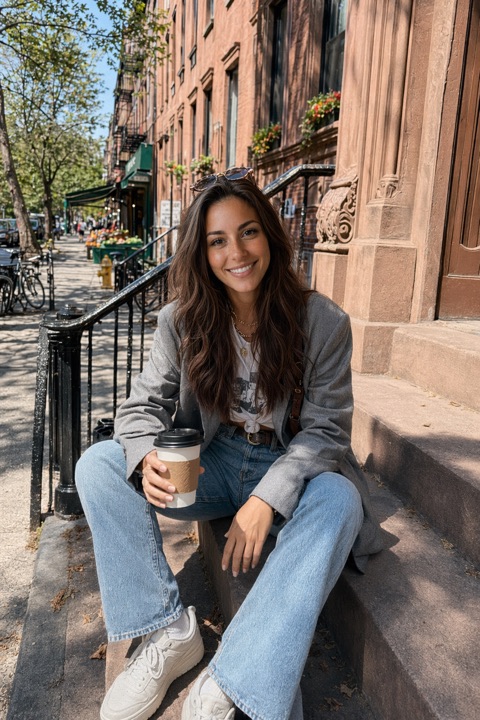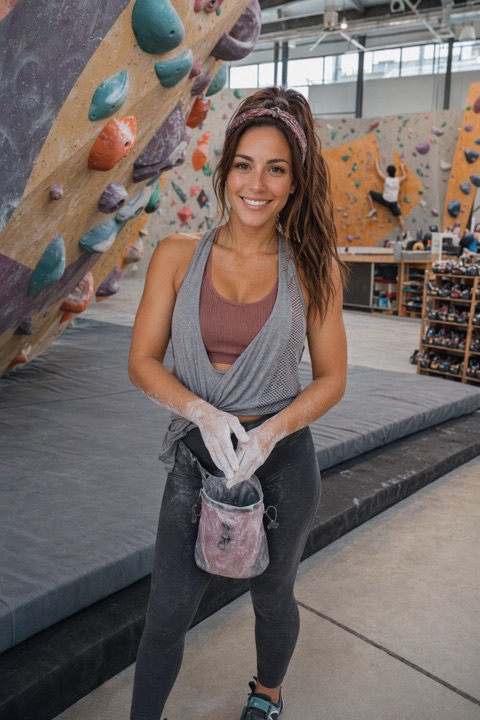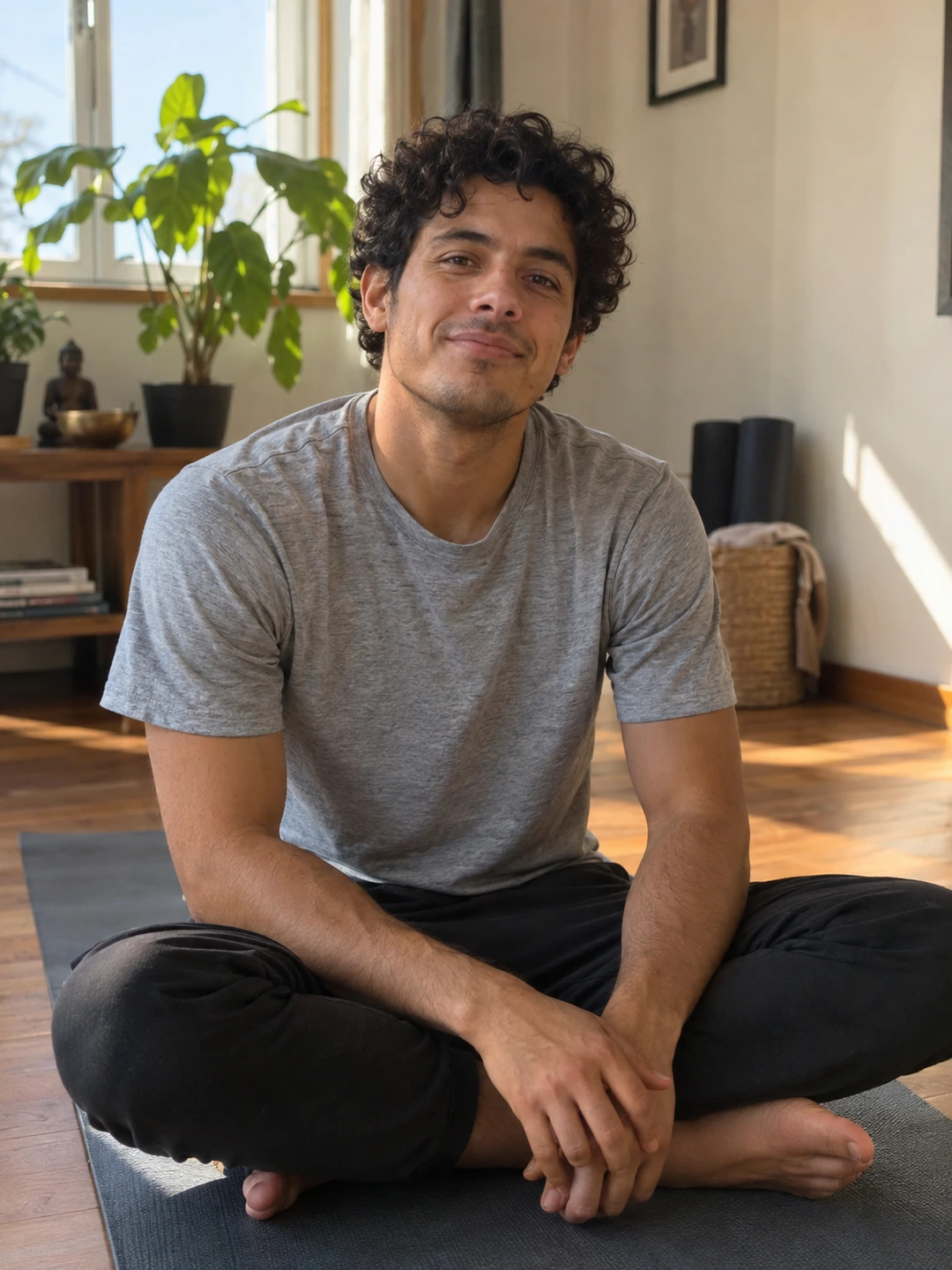
A sports photo can introduce an interest without needing to prove how fit or competitive you are. Choose a real activity and a frame where someone can identify you. A beginner session, a casual game and a competition all provide different context. Make the caption fit what actually happened rather than the most impressive interpretation of the equipment.
Decide between action and recognition
An action photograph may capture the sport well while hiding your face behind a helmet, racket or another player. That can be a supporting memory, but it should not carry the whole introduction. A calm portrait before or after the activity may show you more clearly. You do not have to choose the most dramatic frame merely because it took more effort to obtain.
- Keep equipment honest. Use what belongs to your actual activity and skill level. Borrowed specialist gear can create expectations you did not intend.
- Make team context clear. If you include other adults, get their agreement and ensure it is obvious which person owns the profile. A solo alternative often solves the problem more simply.
- Do not stage unsafe action. Take photographs during an appropriate pause or use an existing permitted image. The camera should not distract you or others during the activity.
Take a supporting photo during a pause
- 1Choose a moment that belongs to the session. A rest, warm-up area or end-of-game pause can provide context without interrupting play.
- 2Show the face and a clear cue. Keep enough clothing, equipment or setting to identify the activity while leaving your expression readable.
- 3Check the background for people and details. Avoid publishing another person’s face, a changing area or identifying information without permission.
- 4Compare with the action option. Ask which picture introduces you more effectively. Keep the dramatic frame in your album if the quieter portrait does a better job on the profile.
Describe participation without turning it into a test
A caption can explain what you enjoy: a weekly social game, learning a technique or following a team. It does not need to issue a challenge to potential dates. If you would enjoy sharing the activity, say what a beginner-friendly version might involve. If it is something you prefer doing independently, that is also fine; a profile interest does not have to become a first-date plan.
Balance the image with ordinary clothes and another setting. A profile made entirely from sporting events can leave someone unsure what you look like away from the activity. Review current likeness as well: a favourite competition photograph from years ago may no longer serve as an accurate wider view. Keep the memory while updating the introduction.
Keep achievement claims grounded in real photos
PhotoDating.ai generates portrait options from your selfies. It cannot document sporting participation or achievements. Inspect generated body proportions and keep real activity photographs for your sports story.
Use the group photo guide for team-image decisions and the dating photo guide for the whole lineup. If you need a neutral wider view outside the activity, follow the full-body photo setup.