An actor's headshot has a narrower job than any other kind of professional photo: it has to tell a casting director, in about one second of scrolling, what you could plausibly be cast as. Not what you look like at your best. What you look like as a type.
That's why the corporate rules don't transfer. A polished, softened, well-lit business headshot is often actively wrong here.
The brief
- Tight crop. Top of the head to roughly the collarbone, or mid-chest at the widest. The eyes sit around the upper third.
- Eyes into the lens. In acting headshots this is close to non-negotiable. The eyes carry the whole thing.
- Plain background. A grey or muted wall, or outdoor foliage thrown well out of focus. Nothing identifiable, nothing textured enough to read as a location.
- Minimal, natural retouching. Remove a temporary spot, keep every line, freckle and scar. A smoothed face means you don't match yourself in the room, and casting notices immediately.
- Colour, digital, vertical. Black and white is a stylistic choice from a previous era of the industry. Standard delivery is colour, cropped to 8x10 for print.
- Current. Within about two years, and matching your hair right now. A headshot that doesn't match who walks in is worse than a mediocre one that does.
Shoot for type, not for range
The most common mistake is trying to look castable as anything. It produces a photo that suggests nothing, and "nothing" doesn't get an audition.
Work out the two or three things you get called in for — the warm best friend, the clipped professional, the quiet threat — and shoot a distinct look for each. Most working actors carry two or three headshots and submit whichever matches the brief.
| Look | Wardrobe | Expression |
|---|---|---|
| Commercial / warm | Soft colours, casual knit or open collar | Open, genuinely amused, slightly lifted brow |
| Theatrical / dramatic | Darker, plainer, structured | Neutral to guarded, intensity held in the eyes |
| Professional / procedural | Shirt, blazer, clean lines | Composed, direct, no smile |
The one-second test
Show a headshot to someone who doesn't know you and ask what job the person in it has. If they can answer quickly, it's working. If they hesitate, it's a nice photo rather than a casting tool.
What gets a headshot cut
- Visible retouching. Plastic skin, erased lines, a narrowed jaw. Reads as insecure and sets up a mismatch in the room.
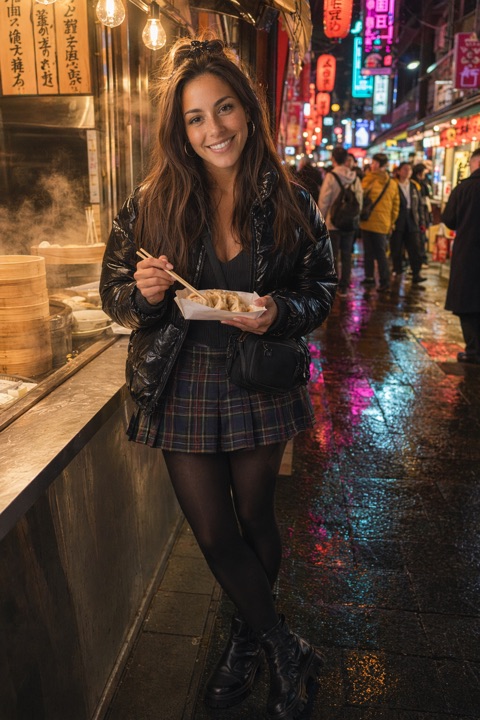
- A busy background. Brick walls, graffiti, recognisable landmarks. The frame is competing with your face.
- Props and hats. Glasses only if you wear them constantly. Nothing else.
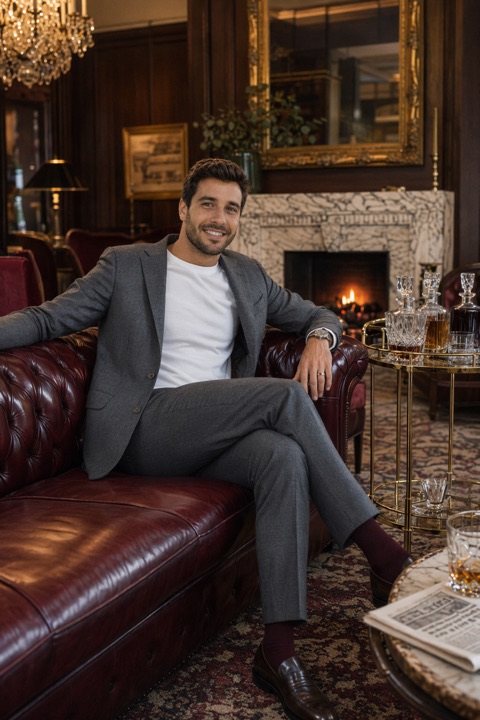
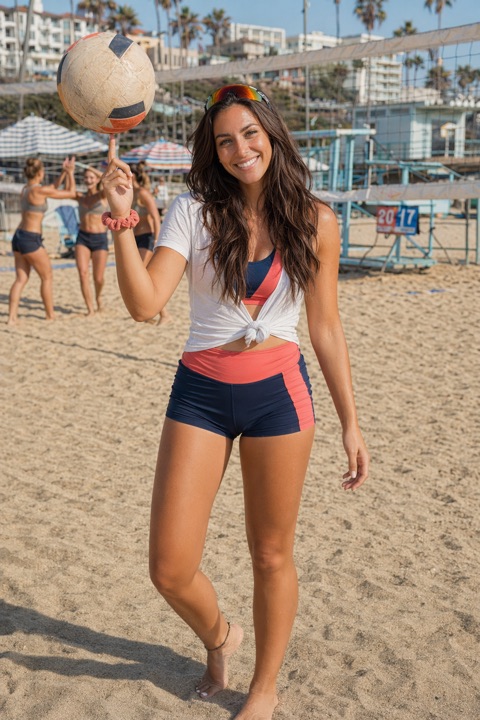
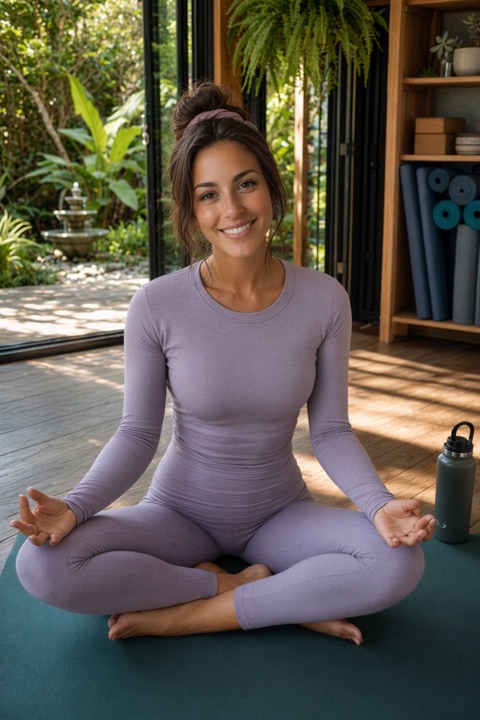
- Too wide. A half-body shot is not a headshot, and shrunk into a casting grid your face disappears.
- Costume from a role. Casting wants to see you, then imagine the costume.
- Heavy makeup. Natural, evened-out skin. Editorial makeup narrows your type rather than widening it.
Working with a budget
A specialist actor headshot session typically runs a few hundred pounds or dollars and up, and for a working actor it remains the best-value thing to spend on. Our headshot cost breakdown covers the ranges.
If you're starting out and that's out of reach, a phone can clear the technical bar: rear camera, three steps back, open shade or a north-facing window, plain wall, someone else pressing the button. The full method is in how to take professional headshots at home.
Generated headshots are worth being straight about here. They're a reasonable way to get a clean, well-lit, correctly-cropped image for a first profile or a self-tape thumbnail — see AI headshots for actors. They are not a substitute for a proper session with a photographer who understands casting, because the thing a good headshot photographer is actually selling is the read they get out of you, and that isn't something a model can do for you.