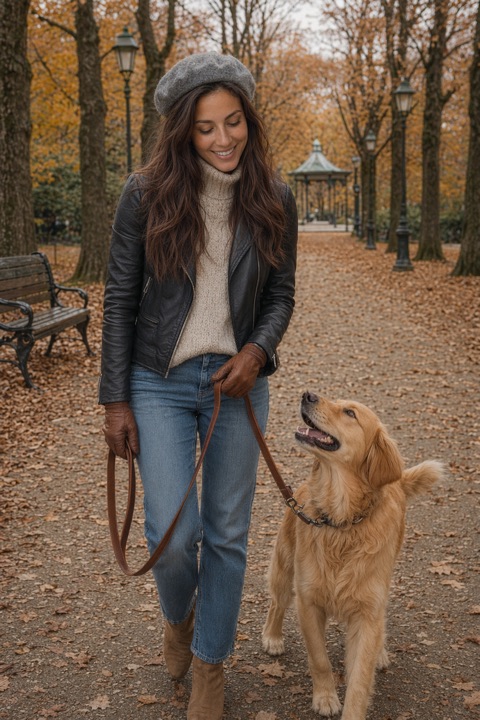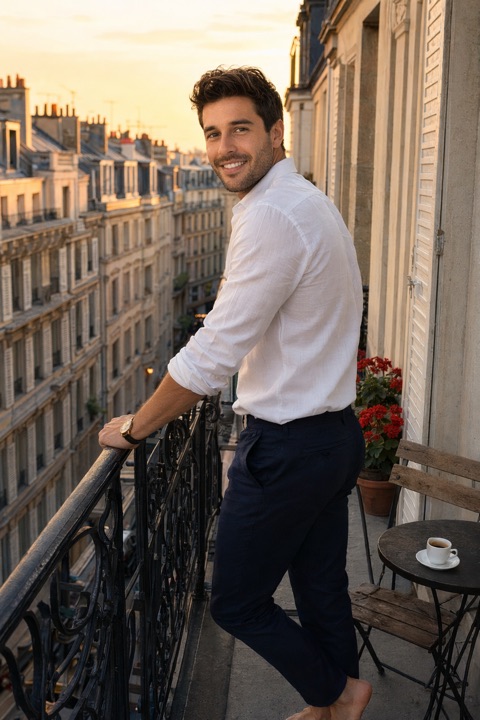
Lighting is the highest-leverage variable in a dating photo, and the cheapest. It changes the result more than your camera, your outfit or your location — and unlike your bone structure, it's entirely under your control.
The three that work
1. Open shade
Stand in the shade of a building or tree on a bright day, facing the open sky. Soft, even, no squinting, no harsh shadows. It's the most reliable setup there is and it's available most of the day.
2. Golden hour
The hour after sunrise and before sunset. Low, warm, directional light that flatters skin and adds depth. Face into it or turn slightly away for a rim of light along your jaw. The window is genuinely about an hour, so plan for it.
3. A big window, indoors
Stand a metre or two back from a large window, facing it, with the lights off. This is a studio softbox for free. Turning off the room lights matters — mixing warm bulbs with cool daylight gives skin an odd cast that's hard to fix.
The two that ruin photos
| Setup | What it does |
|---|---|
| Overhead light | Drops shadows into your eye sockets and under your nose. This is why bathroom and kitchen selfies look worse than you do. |
| Direct midday sun | Hard shadows, blown highlights, and you squint. The most common ruin of an otherwise good outdoor photo. |
The one-sentence version
Face a big, soft light source — the open sky, a window, the low sun — and never let the light come from directly above you.
Two habits worth having
- Never use the flash. On-camera flash flattens your face and turns the background black. Find light instead.
- Check your catchlights. Zoom into your eyes. Good light leaves a bright reflection in them; if the eyes look dead, the light was wrong and no editing recovers it.
Once the light is right, see how to pose and how to shoot yourself.